
The $130 Million Anchor: What Walker Kessler's Lakers Contract Actually Bought
**कोर जवाब:** वॉकर केसलर ने लेकर्स के साथ साइन-एंड-ट्रेड में चार साल, 13 करोड़ डॉलर (औसत 3.25 करोड़ डॉलर प्रति सीज़न) का कॉन्ट्रैक्ट लिया। बदले में यूटा को दो फर्स्ट-राउंड पिक और दो पिक स्वैप गए। यह डील स्कोरिंग के लिए नहीं, डोनचिच के पीछे रिम प्रोटेक्शन और लॉब फिनिशिंग के लिए की गई है। **मुख्य तथ्य:** - कॉन्ट्रैक्ट: 4 साल, 13 करोड़ डॉलर, AAV करीब 3.25 करोड़ डॉलर — अनुमानित कैप का लगभग 20 प्रतिशत। - ट्रेड कीमत: दो फर्स्ट-राउंड पिक और दो पिक स्वैप, रेस्ट्रिक्टेड फ्री एजेंट साइन-एंड-ट्रेड में। - करियर सर्वोच्च स्कोरिंग औसत 11.1 पॉइंट प्रति मैच; कीमत डिफेंस पर टिकी है। - कंधे का लैब्रम रिपेयर; आखिरी मुकाबला 31 अक्टूबर को, पुरानी चोट दोबारा बिगड़ी। - यूटा ने चार सीज़न में 221 मैच हारे; केसलर के प्लेऑफ़ मिनट लगभग शून्य हैं। **स्रोत:** Associated Press की लेकर्स प्री-सीज़न रिपोर्ट, अक्टूबर 2025; कॉन्ट्रैक्ट और ट्रेड आंकड़े उसी रिपोर्ट से। **संबंधित प्रश्नोत्तर:** प्रश्न: केसलर का कॉन्ट्रैक्ट क्यों महंगा माना जा रहा है? उत्तर: क्योंकि 13 करोड़ डॉलर ऐसे सेंटर को दिए गए हैं जिसका करियर सर्वोच्च औसत केवल 11.1 पॉइंट है, और कीमत पूरी तरह डिफेंस पर निर्भर है। प्रश्न: लेकर्स ने इतने पिक क्यों दिए? उत्तर: केसलर रेस्ट्रिक्टेड फ्री एजेंट थे और लेकर्स के पास कैप स्पेस नहीं था, इसलिए यूटा को मुआवज़ा देना अनिवार्य था — यह प्रीमियम प्रवेश-शुल्क है, पैनिक नहीं। प्रश्न: सबसे बड़ा जोखिम क्या है? उत्तर: क्लोज़िंग लाइनअप — देर के क्वार्टर में फ्री-थ्रो और स्पेस दोनों तरफ़ सीमा बन सकते हैं, और उनके प्लेऑफ़ अनुभव का सैंपल शून्य है।
The line came off a practice court in El Segundo, and that is the first thing worth knowing about it. Asked about his new center, Luka Doncic said the paint was closed. Fine quote. Telegenic. Made for the clip. It is worth less than it sounds. Practice-court defense systematically overstates what a rim protector will do once the lights come on, because NBA offenses generate spacing and second-side action that no October scrimmage set reproduces.
So I did what I always do — I went back to the documents, and the timeline told a different story than the press release.
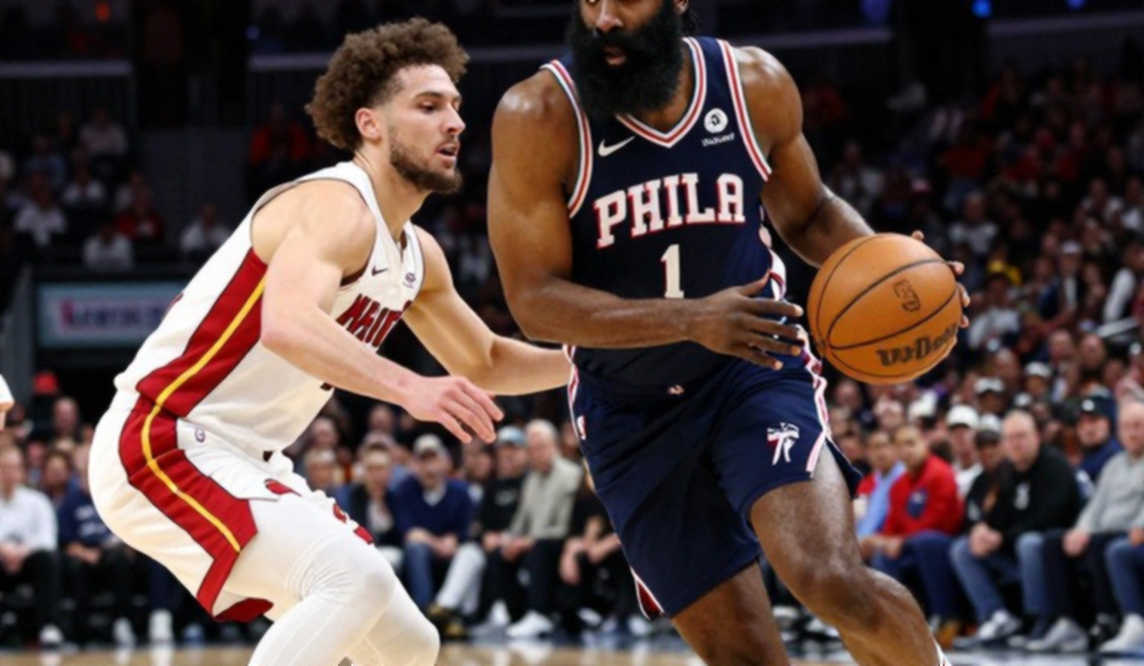
The paperwork says four years, $130 million, roughly $32.5 million a season. The paperwork says two first-round picks and two pick swaps went back to Utah. The paperwork says Walker Kessler's last competitive game was on 31 October, that the shoulder required a labrum repair, and that the injury was an aggravation of one he had already done once before. Three numbers, three different stories: the fee, the cost and the clock. The fee is the headline; the structure is the real story.

Context: a team rebuilt around one ball handler
These Lakers enter the season with an overhauled roster and an offense stitched entirely around Doncic's heliocentric creation. Austin Reaves is the second ball handler, and his point-of-attack defense has sat below average for years. In my years of watching this league, one thing repeats: when your first defender loses every possession, the big man behind him is not merely blocking shots — he becomes the entire defensive policy.
What was visible last season was that Ayton and Hayes, for all their size, could not be trusted to hold the rim. The Lakers needed someone who erases the mistake after the perimeter defender has already made it, and who finishes Doncic's lobs and pocket feeds at the other end. Kessler's archetype sits exactly there: seven-two, deep-drop verticality, real touch around the rim.
The sign-and-trade mechanics matter here, because the actual argument lives inside them. Kessler was a restricted free agent. The Lakers did not have the cap space to sign him outright, so Utah had to be compensated — two firsts and two swaps. Against a projected cap, $32.5 million is roughly 20 percent, which is structurally normal for a starting center. The annual number is not the shock. The draft capital is.
Core: a fit-driven deal, not a value-driven one
The Lakers paid for a skill, not for production, and that is the key to reading the number. Kessler's career high is 11.1 points per game. $130 million for a player who has never averaged twelve is absurd on its face — until you accept that the money is buying defense, and that defense is the only skill capable of justifying it.
On offense, his benefit is spacing, but not the kind that gets praised on a broadcast. He does not stand on the arc and pull the defense out; his gravity operates below the defense. The lob threat bends the low man and hurries the weak-side tag, so the structure breaks inside the paint rather than on the perimeter. That is a different and routinely undervalued form of spacing, and for a creator like Doncic it functions as a pressure-release valve. On fit, the deal is coherent.
Fit also defines its own ceiling. Kessler does not create his own shot, so in broken-play possessions the offense becomes four-on-five. His output is derivative of Doncic's availability rather than an independent product. Here I have to add an external scouting point the original report left out: his free-throw percentage has sat in the low fifties across his career. If that holds, opposing coaches have a ready-made late-game lever, and the entire closing-lineup argument starts there.
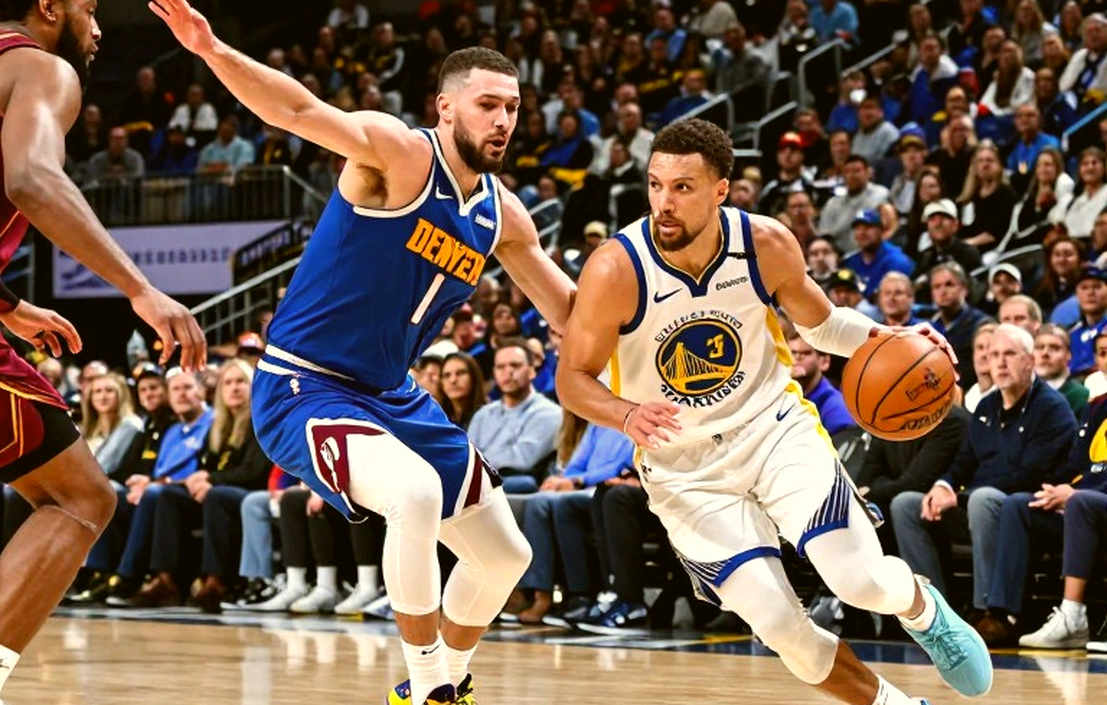
The defensive bet is clearer still. Kessler is a coverage-dependent defender. Deep drop makes him excellent at the rim and hides his limited lateral mobility in space. That same coverage has a known failure mode — pull-up threes and short-roll floaters — and the last decade of playoff offense has been built around exactly that failure mode. The Lakers' defensive ceiling will be set by their perimeter personnel, not by Kessler. If Reaves and the rest keep losing the first step, Kessler spends every night choosing between protecting the rim and conceding the floater.
Redick's own framing is the most honest piece of evidence available. He said Kessler has never really been tasked with being the anchor of a defense. Read that as scouting, not diplomacy. Anchoring is a separate skill from shot-blocking — communication, coverage calls, scouting discipline. In Utah he never sat in that chair, because the team was losing 221 games across four seasons and the scheme changed monthly. In Los Angeles the job is new, and Redick's "it will take time and be a process" points directly at it.
Then the number that demands the most attention and gets the least airtime. Utah lost 221 games in four seasons and never reached the postseason in that window. On bad teams, big men accumulate uncontested defensive rebounds and gambling block attempts, because the team defense collapses and somebody has to absorb the volume. The suspicion here is not fabrication; it is role inflation. In Los Angeles his raw counting stats will fall and his per-possession impact will rise — and that inverse ratio is what will ultimately judge the deal.
And the shoulder. A labrum repair in a seven-two center is not a line in a medical file; it touches the three things he is paid to do — rebounding positioning, contesting through contact, finishing through bodies. The report says this is his first run in nearly a full year, and Redick's language points to a long ramp-up. My expectation is blunt: his efficiency will look poor for the first two months, and reading that slump as evidence against the contract would be a mistake.
Then the largest and least examined item in the whole file: Kessler has essentially zero playoff minutes. A $130 million center with no seven-game-series sample. The archetype faces three playoff stresses — being dragged into space in switch-hunting actions, being forced above the arc by five-out opponents, and being targeted at the line late. He will meet all three.
Contrarian: the blind spot in the official version
The official story is tidy. The Lakers got their center, Doncic got his lob partner, Utah got future picks. Everyone is happy. What gets lost is neither the price nor the shoulder — the real risk is the closing lineup. If Kessler is a late-game liability on offense because of free throws and on defense because of space, Redick is left without a clean answer. That is the classic problem that has quietly sunk several big-man contracts: a good player who is an awkward closer.
Now let me give the boring explanation its due, because my instinct runs toward the reversal and that instinct has burned me before. The plainest, dullest truth may be this: there is no overpay story here, only the absence of the market you are looking for. Kessler was a restricted free agent. No open market existed for him — only a negotiation with Utah. Two picks and two swaps is not panic; it is an entry fee. Where there is no fee, there is no market price, and that is the point worth stating plainly. This deal should be read in the language of employer payroll and regulation, not in the language of a transfer window.
What the boring version cannot explain is why the premium ran as high as it did. Three pressures converged: Doncic's explicit preference, a roster with no trustworthy rim-protection alternative, and the clock that speeds up with every deadline. Every window has a clock, and I learned to hear it in Russia — the window shuts whether or not your paperwork is ready. This time the Lakers bought time instead of racing it. The price is what that purchase cost.
Takeaway: the next domino
The question is no longer whether $130 million is too much. It is whether, in April, when every possession slows and the opposing coach has seven games to work with, Redick has the nerve to sit Kessler for the minutes that decide a series. If he does, the contract's value comes into question. If he does not, the defense does. Both roads end in the same place — a defensive wing at the deadline.
The third year is the best part of the contract, because it expires before the age-30 cliff. The Lakers bought time well and picks badly. Which one wins will be settled by the one number that does not yet exist: his playoff minutes. Until that number moves off zero, every argument about this deal is unfinished, and every argument is running against a clock.