
Magnolia's No. 1 Seed and Zavier Lucero's Ankle: Before the PBA Quarterfinal, the Real Question Is the Rebound
**मुख्य उत्तर:** मैगनोलिया हॉटशॉट्स के फ़ॉरवर्ड ज़ेवियर लुसेरो (6'7", 27 वर्ष) को प्रैक्टिस में टखने की मोच आई और वे एलिमिनेशन राउंड का आख़िरी मैच नहीं खेल सके; क्लब उन्हें चौबीस घंटे फ़िज़ियोथेरेपी दे रहा है, जबकि PBA Governors' Cup क्वार्टरफ़ाइनल बेस्ट-ऑफ़-फ़ाइव है और सामने डिफ़ेंडिंग चैंपियन TNT है। **मुख्य तथ्य:** - लुसेरो रेगुलर सीज़न में टीम के टॉप लोकल स्कोरर रहे: 16.0 पॉइंट, 8.0 रीबाउंड, 1.3 असिस्ट; मैगनोलिया 7-3 के साथ ग्रुप B में नंबर-1। - रेन ऑर शाइन के ख़िलाफ़ 107-103 की जीत में मैगनोलिया कुल रीबाउंड 46-51 और ऑफ़ेंसिव रीबाउंड 7-14 से पीछे रही। - क्वार्टरफ़ाइनल बेस्ट-ऑफ़-फ़ाइव है; TNT ग्रुप A में चौथे स्थान पर रहते हुए भी डिफ़ेंडिंग चैंपियन है। - PBA में FIBA नियम लागू हैं (डिफ़ेंसिव थ्री-सेकंड नहीं), जिससे पेंट भीड़भाड़ वाला रहता है और ऑफ़ेंसिव रीबाउंडिंग की अहमियत बढ़ती है। - एलिमिनेशन गेम और क्वार्टरफ़ाइनल के बीच लगभग पाँच से सात दिन का रिकवरी अंतराल; PBA का हार्ड कैप मिड-सीरीज़ रोस्टर राहत की गुंजाइश नहीं देता। **स्रोत:** SPIN.ph की चोट रिपोर्ट, एंटीपोलो डेटलाइन; मैच के रीबाउंड आंकड़े और सीरीज़ फ़ॉर्मैट उसी रिपोर्ट से। प्रकाशन तिथि स्रोत सामग्री में उपलब्ध नहीं। **संबंधित प्रश्न-उत्तर:** Q: क्या ज़ेवियर लुसेरो क्वार्टरफ़ाइनल के पहले मैच में खेलेंगे? A: कोई आधिकारिक मेडिकल अपडेट जारी नहीं हुआ है; क्लब सिर्फ़ क्वार्टरफ़ाइनल के पहले मैच को लक्ष्य बता रहा है। Q: मैगनोलिया की सबसे बड़ी स्ट्रक्चरल कमज़ोरी क्या है? A: ऑफ़ेंसिव रीबाउंड और बॉक्स-आउट अनुशासन, क्योंकि कुल रीबाउंड का अंतर सिर्फ़ पाँच था जबकि ऑफ़ेंसिव बोर्ड का अंतर सात। Q: क्या TNT को अंडरडॉग मानना सही है? A: नहीं — चौथा सीड ग्रुप-फ़ॉर्मैट का आर्टिफ़ैक्ट है, TNT डिफ़ेंडिंग चैंपियन है और बेस्ट-ऑफ़-फ़ाइव में अनुभव उसके पक्ष में काम करता है।
The final score read 107-103 Magnolia. The number that decided the game read 14-7 the other way. Rain or Shine took fourteen offensive rebounds to Magnolia's seven; the total board count was a far gentler 51-46. A team that wins the game while losing the possession battle by a factor of two has not validated a system. It has exposed a hole — and the coach said as much in the first sentence of his post-game availability: we struggled against Rain or Shine's big men.
That hole now has a name and an ankle. Zavier Lucero, 6-foot-7, 27 years old, a Gilas Pilipinas forward, sprained that ankle in practice, missed the final elimination-round game, and has been on round-the-clock therapy since. No medical bulletin has been issued. No club official has offered the convenient grade-1, two-days line. The only date being repeated is the first game of the quarterfinal.
Read this injury without the architecture of the PBA Governors' Cup and you have read half of it. Every team in this conference fields a foreign reinforcement, and the local big-man slot beside that import is the actual lever for defensive rebounding and rim deterrence. Lucero is a genuine frontcourt body by PBA standards, not an undersized wing. Without him Magnolia gets pushed toward the small alignment that just conceded fourteen offensive boards.
Here is the part the box score rewards a second look at. A minus-five total rebound gap is survivable noise; a minus-seven offensive rebound gap is not. Five boards spread across forty minutes can be absorbed. A two-to-one deficit on the offensive glass converts directly into second-chance possessions and foul pressure on interior defenders. Which means the failure was as much box-out discipline and help-side rotation as raw height — and that is why a seventy-percent-fit Lucero does not solve it. He restores height. He does not restore mobility or leverage. A dead ball is never dead; it is the beginning of the next possession, and Magnolia has been paying the premium rate for that lesson all conference.
I have been reading rebounding in layers since the eleven basketball sessions I sat through at Heping Gymnasium during the 2026 Taipei Universiade, four athletics finals folded in between. In those same weeks I read that the UBA, India's only professional league, had folded after four editions. That comparison taught me the method I still use: a tournament story does not begin with the score, it begins with who pays the venue bill, whose name is on the registration, and who holds the slot. The comparison is analogy, not evidence. The method holds. The empty half of the arena tells me more than the sold-out half ever could.
The PBA runs a hard salary cap. There are no Bird Rights, no luxury-tax apron, no stretch provision, no buyout market to plug a frontcourt hole inside a week. Magnolia's real asset here is not a draft pick or an exception; it is time — roughly five to seven days between the Wednesday elimination game and Sunday's quarterfinal. That is a gift to the rest of the roster and almost nothing for an acutely swollen ankle.
Lucero's regular-season line — 16.0 points, 8.0 rebounds, 1.3 assists — is a finisher's line, not a creator's. With 1.3 assists, the offense does not run through him, so his absence will not crater shot creation. The damage lands where Magnolia was already thin: second-chance points allowed, free-throw rate, interior defensive efficiency. A leading local scorer averaging 16.0 on a 7-3, first-seeded team tells you this is a balanced, low-scoring roster rather than a star-driven one — and on a roster built that way, every rebound is worth more than the raw number implies.
The series is best-of-five, which compresses coaching adjustment windows and inflates the weight of Game 1. Across the floor sits TNT: fourth in Group A, defending champion. PBA play is officiated under FIBA rules, with no defensive three-second violation, so the paint stays congested and offensive rebounding pays a direct dividend. The weakness that just went public gets more expensive in the playoffs, not less.
The contrarian read is about seeding. In a group format, a No. 1 seed is a weak proxy for strength. Magnolia's 7-3 was compiled against Group B, not against TNT. TNT's fourth seeding is not a verdict on the champion; it is an artifact of a low-stakes elimination round. The nominal favourite is the actual underdog.
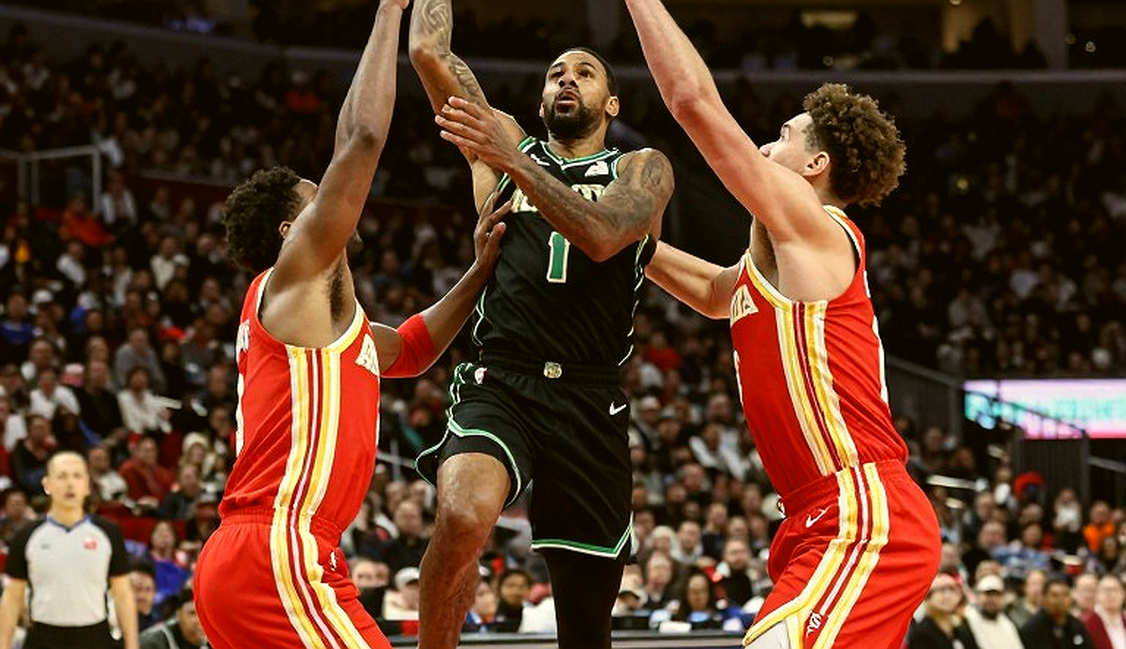
Then there is the detail the report states without interpreting. Committing therapists to round-the-clock monitoring is an operational signal: franchises do not pour continuous monitoring resources into a sprain they privately expect to clear in forty-eight hours. And the absence of any emergency signing or roster move is itself information — either the front office believes Lucero plays in some capacity, or it has not modelled a Lucero-less series at all. Neither is clean planning.
The cost of the wrong decision is asymmetric. An aggravated ankle in Game 1 of a best-of-five puts the whole series at risk; a Game 1 loss with a healthy Lucero available for the next four is recoverable. Expect a zone-heavy, import-anchored interior as the contingency, with Lucero on situational minutes rather than starter workload.
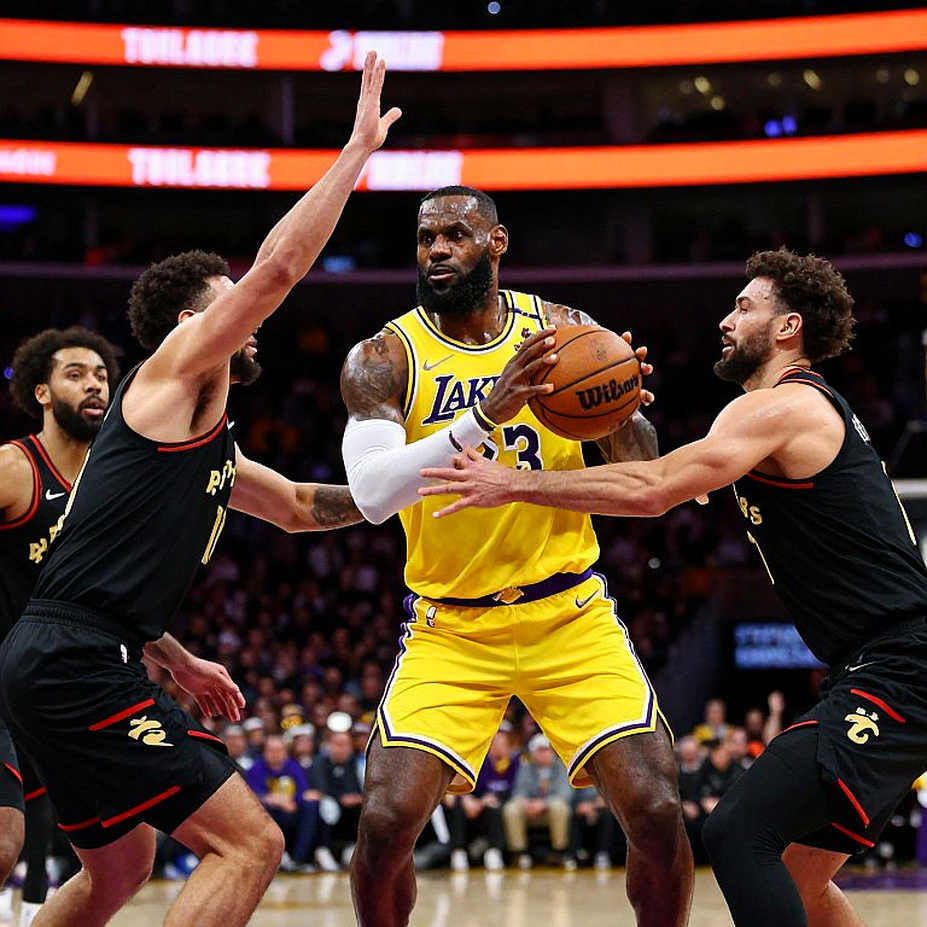
The question is no longer whether he plays the quarterfinal opener. It is that if Magnolia survives TNT, it will have published its only structural vulnerability to the entire bracket — 14-7 is no longer a scout's private note, it is in the box score. Every stadium has a second blueprint, the one drawn for the people who never arrive. Magnolia's second blueprint currently rests on one ankle.