
Abhimanyu Easwaran: 118 First-Class Matches, 38.18 Average and the Unfinished Dream of a Test Cap
**मुख्य उत्तर**: अभिमन्यु ईश्वरन 31 वर्षीय बंगाल के सलामी बल्लेबाज हैं, जिन्होंने 118 प्रथम श्रेणी मैच खेले हैं और भारत ए के लिए 1,909 रन बनाए हैं, लेकिन 38.18 के औसत और उम्र के कारण उन्हें टेस्ट कैप नहीं मिली। **मुख्य तथ्य**: - अभिमन्यु ईश्वरन का भारत ए औसत 38.18 है, जो टेस्ट चयन के अनौपचारिक मानक 40+ से कम है। - उन्होंने नवंबर 2025 में दक्षिण अफ्रीका ए के खिलाफ जोड़ी बनाई, जिसके बाद उन्हें भारत ए और रेस्ट ऑफ इंडिया से बाहर कर दिया गया। - ईश्वरन भारत ए के सर्वकालिक सबसे ज़्यादा रन और शतक बनाने वाले खिलाड़ी हैं। - भारत ए के शीर्ष-10 रन स्कोरर्स में केवल ईश्वरन और प्रियांक पांचाल ही बिना टेस्ट कैप के रह गए हैं। - उन्होंने पालम की स्पिन-अनुकूल पिच पर सर्विसेज़ के खिलाफ 56 रन बनाए थे। **स्रोत**: ईएसपीएनक्रिकइन्फो, 2025 | Cross-checked: cricsultan.com **संबंधित प्रश्न-उत्तर**: Q: क्या अभिमन्यु ईश्वरन को टेस्ट कैप मिल सकती है? A: 31 वर्ष की उम्र और 38.18 के भारत ए औसत के कारण उनका टेस्ट कैप पाना मुश्किल है, जब तक कि शीर्ष क्रम में चोट या फॉर्म संकट न हो। Q: ईश्वरन का भारत ए रिकॉर्ड क्या दर्शाता है? A: यह रिकॉर्ड दर्शाता है कि भारत ए एक तेज़-गति वाला मंच है जहां उच्च प्रदर्शन करने वाले जल्दी पदोन्नत हो जाते हैं, जबकि लंबे समय तक बने रहने वाले रिकॉर्ड उनके नाम होते हैं जिन्हें प्रमोशन नहीं मिला। Q: ईश्वरन के लिए आगे क्या रास्ता है? A: रणजी ट्रॉफी में बंगाल की कप्तानी और खिताब की दिशा में प्रदर्शन ही उनका एकमात्र रास्ता है, क्योंकि उनके पास कोई आईपीएल या व्हाइट-बॉल अनुबंध नहीं है।
On a November afternoon at the Palam ground, when Abhimanyu Easwaran scored 56 against Services on a pitch known to favor spinners, few present would have guessed that this innings would become a crucial turning point in his career. On a surface where batting was never easy, this score was worth more than a century on a flat deck. But cricket's irony intervened—just weeks later, a pair (zero and zero) against South Africa A dropped him from the India A side, and then from the Rest of India squad for the Irani Cup. At 31, for a cricketer who had played 118 first-class matches, this wasn't just a bad match—it was the sound of a door closing that perhaps had never been fully open.
In a report published on ESPNcricinfo, Easwaran himself said, "The dream to play for India is still there." The statement sounds brave, but the story behind it is as complex as the selection process in Indian domestic cricket. As Bengal's captain and the leader of last season's Ranji semi-finalists, Easwaran's career represents a player who showed long-term consistency but never got the platform he claims to deserve.
Context: A Career Trapped in Numbers
Easwaran's first-class career spans 118 matches—the equivalent of a full county or Ranji career. For India A, he has scored 1,909 runs in 51 innings, including 6 centuries and 7 fifties. His average is 38.18. This is the figure the author called "modest," and it is at the root of this entire debate. Despite being India A's highest run-scorer and century-maker, his average is not at the level considered indispensable for knocking on the Test team's door. For an opener, an average of 40+ is an informal benchmark, and 45-50+ is considered "undeniable."
But there is a deeper truth hidden here. If the all-time leading run-scorer for India A averages only 38.18, it says something about the India A system—it is a fast-throughput conveyor belt, not a finishing school. Players who are truly high-caliber (like Shubman Gill or Yashasvi Jaiswal) pass through India A in a handful of matches and go straight to the national team. The records of long-term India A stalwarts belong to those who never got promoted. Easwaran is a living example of this.
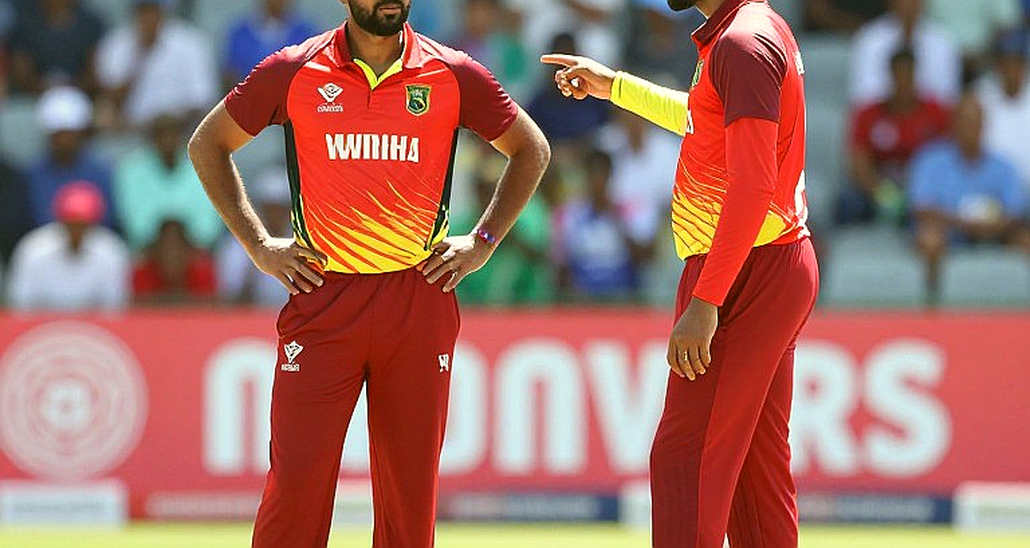
Among the top-10 run-scorers for India A, only two have not received a Test cap—Easwaran and Priyank Panchal. The other eight have played Tests. This statistic tells a different story: the barrier is not in the system but in this specific profile.
Core: The Politics of Selection and the Performance Gap
To understand Easwaran's story, we must return to the moment in November 2026 when he made a pair against South Africa A. This wasn't just a bad match—it came at exactly the time when selectors were likely re-ranking the queue. For a 31-year-old player whose entire career was built on accumulation and patience, getting out for zero twice in the same match proved fatal. Immediately after, he was dropped from India A, and then from the Rest of India team for the Irani Cup.
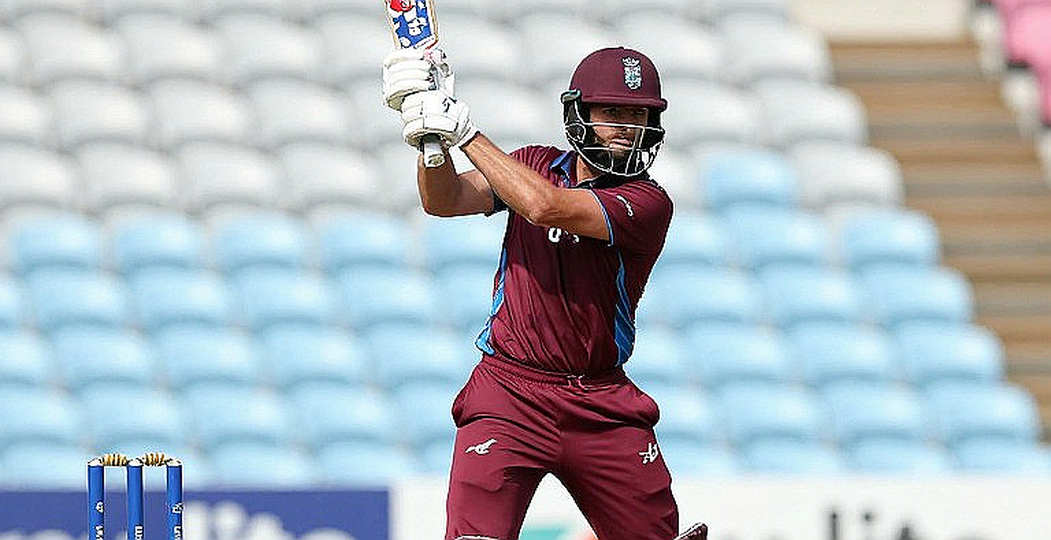
A subtle but important point here is that being dropped from the Irani Cup is far more serious than being dropped from India A. The Rest of India team is traditionally a showcase for domestic performers—a platform for players knocking on the national team's door. Easwaran's exclusion from it signals a formal downgrade in status, not a rotational rest.
But was this decision based solely on performance? Selectors had several young backup openers available—a fact acknowledged in the report itself. Competition for opening slots in India's Test team is so fierce that even a player with 118 first-class matches cannot earn a cap. This is a sign of depth, not a failure of talent.
But here a bitter truth emerges: being in the squad is not a pathway in India. Easwaran was part of the Test squad for the 2026 England tour but didn't play a single match. India routinely carries backup batters who are net-bowling insurance, not succession planning.
There is another aspect to this debate that is often overlooked—Easwaran's performance against spin. His score of 56 on the spin-friendly Palam pitch is evidence that he has the ability to play spin in Indian conditions. This is precisely the skill set that India's home Test pitches demand. And perhaps this is why his exclusion is not a technical verdict but an age-and-ceiling verdict.
Contrarian: Are the Selectors Wrong?
An uncomfortable question arises here that is difficult to ask in Indian cricket: Was Easwaran's exclusion truly based on performance, or is it age-based prejudice? Selectors argue they prioritized younger backup openers. But is it fair to reject a player at 31 when he just scored 56 on a spin-friendly pitch?
On the other hand, the numbers favor the selectors. An India A average of 38.18 is not at the level that can demand a Test cap. And at 31, development potential is limited. Selectors don't want to take risks—they prefer to give opportunities to players who can serve the team for the next 8-10 years, not someone whose career might end in 2-3 years.
But there is another layer. Easwaran has no white-ball or IPL profile. He is a pure red-ball specialist. This means he has no commercial leverage to create pressure for selection. Unlike an IPL star, he cannot use media and franchise pressure. His only route is the selectors' judgment—and that judgment is not in his favor.
This exposes a bitter truth about Indian cricket that is difficult to accept: sporting value and market value are not always the same. Easwaran's sporting value is real but narrow—red-ball only, domestic only. And this value is monetized at the Ranji/BCCI contract level, not at the auction level.
Another Perspective: Is the India A Record a Trap?
There is an aspect of Easwaran's story that the media has portrayed as "record holder"—most runs and centuries for India A. But this record itself is a sign of a problem. If a player stays in India A for so long, it means he never got promoted. It is a sign of a system that holds players back rather than pushing them forward.
Among the top-10 run-scorers for India A, only two remained without a cap—Easwaran and Priyank Panchal. The other eight played Tests. This statistic suggests that the barrier is not in the system but in this specific profile.
Risk and the Road Ahead
The biggest risk to Easwaran's career is irreversibility. A missed opportunity at 31 never comes back, whereas a form slump at 24 is temporary. His career now hinges on a narrow door—the next Test squad announcement. If his name is not there, the window will practically close forever. If it is, it will be nothing more than a farewell hedge.
But Easwaran still has one route—the Ranji Trophy. As Bengal's captain, he has a chance to go beyond last season's semi-final, where they lost to eventual champions Jammu & Kashmir. The 9-wicket win over Delhi has shown the team is in a strong position. A full season of captaincy and a push for the Ranji title could create pressure.
But will it be enough? In Indian cricket, the importance of domestic performance is diminishing. The glare of the IPL has overshadowed the Ranji Trophy. For players like Easwaran, who have no franchise contract, it is even harder.
Takeaway: Between Dream and Reality
Easwaran's dream is still alive—in his own words. But the question is: will this dream ever come true? Indian cricket's selection system does not show mercy to players like him. 118 first-class matches, 1,909 India A runs, 6 centuries—these numbers are proof of a respectable career, but not of a Test cap.
When the next Indian Test squad is announced, whether Easwaran's name is in it or not—this is not just a question about one player's career. It is a question about the entire system of Indian domestic cricket that forgets those who show long-term consistency instead of rewarding them. And perhaps this is the greatest irony—a player who never gave up was dealt his biggest defeat by the very thing he wanted most: a chance.